

Wildlife and Nature Around Blakeney & Cley: Seals, Birds & Coastal Landscapes
The North Norfolk coast is one of the most rewarding places in the country when it comes to experiencing wildlife in its natural habitat.
Among its most remarkable locations are Blakeney and Cley next the Sea, where vast salt marshes, winding tidal creeks and protected nature reserves all provide a home for an extraordinary variety of birds and seals along with a collection of other coastal wildlife.
From the famous grey seal colony at Blakeney Point to the internationally important bird habitats at Cley Marshes, this beautiful stretch of coastline attracts nature lovers all the way throughout the year.
Whether you are an experienced birdwatcher or a keen photographer who enjoys spotting wildlife while exploring the countryside, our guide to wildlife and nature around Blakeney and Cley will help you discover exactly why this part of Norfolk is so special.
See the Seals at Blakeney Point
One of the most remarkable wildlife spectacles in Norfolk can be seen at Blakeney Point, which forms part of the protected Blakeney National Nature Reserve, managed by the National Trust.
The reserve is home to England’s largest grey seal colony, with around 9,000 pups born here during the winter breeding season. The colony is one of the area’s most famous natural attractions and draws in wildlife enthusiasts who are hoping to observe these fascinating marine mammals up close.
Both grey seals and common seals can be found around Blakeney Point, but grey seals are particularly associated with the winter breeding season.
When Is the Best Time to See Seals at Blakeney?
Seals can be spotted all the way throughout the year, but your experience will vary depending on when you visit.
Grey seal pups are usually born between late October and mid-January. During this period, the beaches start to become important breeding grounds, with mothers nursing their young before the pups eventually make their way into the sea.
The summer months will also offer an excellent opportunity for seal watching, as the seals are frequently seen resting on sandbanks or swimming in the surrounding waters at this time of year.
How Can You See the Seals in Blakeney?
One of the best ways to observe the colony firsthand is by joining an organised seal watching boat trip from nearby Morston Quay.
These trips allow visitors to see seals from the water while maintaining a respectful distance from the animals.
It is always important to remember that access to parts of Blakeney Point will be restricted during sensitive breeding periods. Visitors should always follow National Trust guidance and should avoid approaching seals, particularly mothers with pups.
Birdwatching at Cley Marshes
Just a short walk away from Blakeney, Cley and Salthouse Marshes is one of Britain’s best-known birdwatching destinations.
Managed by Norfolk Wildlife Trust, the reserve has been protected since 1926 and provides an important habitat for resident and migratory birds.
Its combination of freshwater pools, reedbeds and grazing marshes supports a very impressive range of different species throughout the whole year.
What Birds Can You See at Cley Marshes?
The birds that you encounter will depend on the season that you choose to visit, but there are several particularly interesting species to look out for.
- Marsh harriers: These impressive birds of prey can usually be spotted gliding low over the reedbeds while they are searching for food.
- Avocets: Easily recognised by their black and white plumage and distinctive upward-curving bills, avocets are some of Norfolk’s most recognisable wading birds.
- Spoonbills: These unusual-looking birds use their broad, spoon-shaped bills to feed in shallow water.
- Redshanks: Most commonly spotted around the marshes and mudflats, these wading birds are known for their bright reddish legs and distinctive calls.
- Brent geese: During winter, large flocks arrive along the Norfolk coast to feed on coastal vegetation.
Spring and autumn are especially exciting times for birdwatchers, as migrating birds pass through the region.
However, you don’t actually need to be an experienced birdwatcher in order to enjoy the reserve, as several hides provide excellent opportunities to observe wildlife without disturbing it.
The Norfolk Wildlife Trust visitor centre is also a useful starting point, offering information about the reserve and its wildlife.
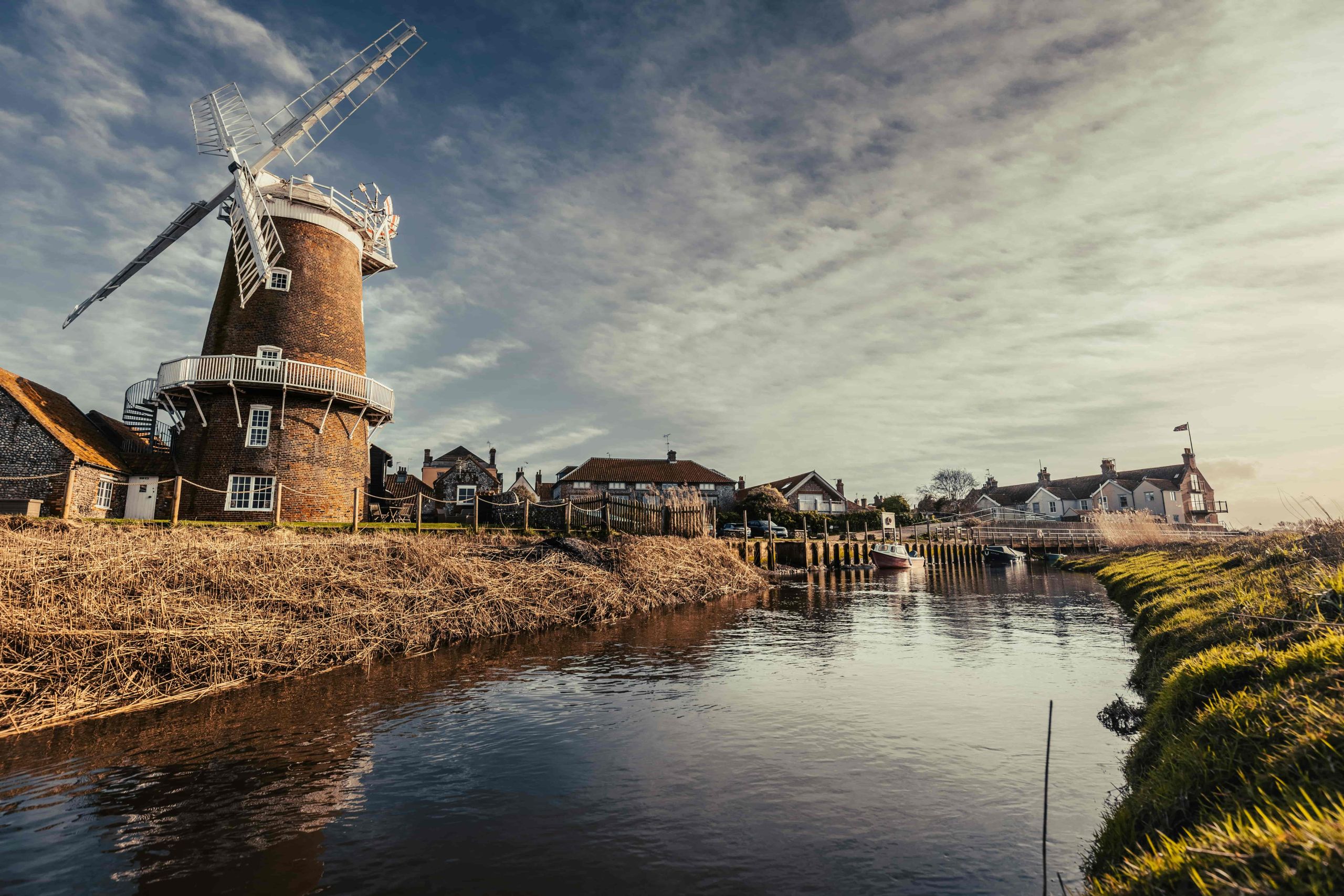

Wildlife Along Blakeney’s Salt Marshes and Coastal Creeks
While the seals at Blakeney Point do attract a large amount of attention, the surrounding salt marshes are equally important for Norfolk’s wildlife.
These expansive habitats are shaped by the tides, with channels and creeks winding through areas of salt-tolerant vegetation.
At low tide, exposed mudflats provide really valuable feeding grounds for wading birds. Species such as oystercatchers, curlews and redshanks search the mud for worms, shellfish and other small creatures.
During winter months, the marshes also provide food and shelter for large numbers of migratory wildfowl.
Discover the Wildlife at Blakeney Freshes
Blakeney Freshes is another excellent location if you are looking to observe birds or other wildlife.
This area of freshwater grazing marsh is particularly important for breeding birds during spring and summer months, including lapwings and avocets.
In winter, the landscape becomes more of a feeding and resting area for large flocks of geese and other wildfowl.
The freshwater ditches also provide habitat for water voles and otters, although sightings of these more elusive animals are much less predictable.
One of the greatest pleasures of exploring Blakeney Freshes is the openness of the landscape. With uninterrupted views across the marshes, visitors have plenty of opportunities to watch birds moving between feeding areas or birds of prey hunting overhead.
Other Wildlife and Coastal Plants to Keep An Eye Out For
Although birds and seals are no doubt the main attractions, the habitats around Blakeney and Cley do also support a much wider variety of wildlife.
The shingle banks and sand dunes at Blakeney Point provide growing conditions for many specialist coastal plants, including sea pea, horned sea poppy and sea blight.
These plants have adapted to survive in exposed environments where salt spray, strong winds and shifting shingle make growing conditions particularly challenging.
The freshwater habitats around Cley and Blakeney also support insects, amphibians and small mammals, which in turn provide food for birds and other predators.
Taking time to explore these quieter details can be just as rewarding as spotting some of the area’s more famous wildlife.
Best Walks for Wildlife Watching Around Blakeney and Cley
Going for a walk is one of the best ways to appreciate the wildlife and natural landscapes around Blakeney and Cley. There are many different routes offering excellent opportunities to observe birds and explore the surrounding habitats. Walking is also just one of the many things to do in Blakeney and Cley, with plenty of opportunities to discover this beautiful part of Norfolk.
There are many different routes that offer excellent opportunities to observe birds and explore different habitats, while enjoying the peaceful surroundings.
Blakeney Freshes Coastal Wildlife Walk
The Blakeney Freshes circular walk is always an excellent option for visitors who are hoping to see wildlife without having to cover a particularly demanding distance.
The approximately three-mile route passes alongside the freshwater marshes and provides views across Blakeney Harbour.
During winter, look out for flocks of golden plovers, geese and ducks. In warmer months, the surrounding fields and reedbeds attract breeding waders and smaller birds.
Walking Along Blakeney Point
For visitors who are looking for a slightly longer adventure, the coastal walk from Cley Beach along Blakeney Point offers an opportunity to explore one of Norfolk’s most distinctive natural environments.
The route follows the shingle spit towards the dunes and provides views across the surrounding marshes and coastline.
It’s a really beautiful but exposed landscape, with very little shelter from the wind. During winter, warm clothing and gloves will be of particular use to you, even when the weather appears relatively mild inland.
The shingle also makes walking more demanding than you might expect.
Visitors should always check the latest National Trust access guidance before setting off, as sections of the Point are closed during bird nesting and seal breeding seasons.
Seasonal Wildlife Around Blakeney and Cley
One of the most wonderful things about this stretch of coastline is how dramatically its wildlife changes throughout the different periods of the year.
Spring
Spring brings increased bird activity as resident species begin breeding and migratory birds return to the marshes.
Avocets, lapwings and other waders can be seen around suitable nesting habitats, while reedbeds become increasingly lively with birdsong.
Summer
Summer is a wonderful time to observe breeding birds and explore the coastal habitats.
Terns are particularly associated with Blakeney Point, where protected areas provide important nesting grounds.
Seal watching boat trips are also popular during the warmer months.
Autumn
Autumn is an exciting time for birdwatchers, with migrating species passing through Norfolk on their seasonal journeys.
The coastal marshes provide valuable places for birds to rest and feed, while the arrival of wintering wildfowl begins to transform the landscape.
Winter
Winter brings two of the area’s most impressive wildlife spectacles.
At Blakeney Point, grey seals gather to breed and give birth to their pups. Meanwhile, the surrounding marshes attract large numbers of geese, ducks and wading birds.
Although the weather can be cold and windy, winter is one of the most rewarding times to visit for wildlife enthusiasts.
How to Protect Wildlife During Your Visit
Blakeney and Cley are home to some sensitive habitats, and keeping them protected helps to make sure that wildlife continues to thrive.
When visiting, there are a few simple things to always keep in mind:
- Make sure that you always keep to designated paths and respect seasonal access restrictions.
- Observe seals and nesting birds from a safe distance.
- Avoid disturbing birds that are feeding or nesting.
- Always follow local dog restrictions, particularly around protected breeding areas.
- Take litter home and leave natural habitats undisturbed.
Dogs are not permitted within the main Cley Marshes nature reserve, apart from assistance dogs. Blakeney Point also has seasonal restrictions, so it is always worth checking the latest guidance before visiting with a dog.
By respecting these protected environments, visitors are able to do their bit when it comes to helping to preserve the area’s wildlife for future generations.
Discover North Norfolk’s Wildlife From Your Holiday Cottage
With so much wildlife to discover, Blakeney and Cley are wonderful destinations for anyone who enjoys spending time outdoors.
From early morning birdwatching to seal watching trips and peaceful walks across the marshes, there are so many different opportunities to experience Norfolk’s natural beauty.
Staying nearby gives you the freedom to explore these habitats at different times of day and throughout your holiday.
At Norfolk Cottage Agency, we offer a handpicked collection of holiday cottages across North Norfolk, providing a comfortable base for discovering the region’s nature reserves, coastal landscapes and remarkable wildlife.
Explore our Blakeney holiday cottages and start planning your next escape to the beautiful Norfolk coast.
Frequently Asked Questions About Wildlife Around Blakeney and Cley
What Wildlife Can You See Around Blakeney and Cley?
The area is home to grey and common seals, marsh harriers, avocets, spoonbills, redshanks, geese and many other coastal birds. Water voles and otters also inhabit some of the freshwater habitats around Blakeney Freshes.
Where Is the Best Place to See Seals Near Blakeney?
Blakeney Point is the area’s most famous seal watching location. Organised boat trips departing from Morston Quay offer opportunities to observe the colony while minimising disturbance to the animals.
Is Cley Marshes Worth Visiting for Birdwatching?
Yes. Cley and Salthouse Marshes is one of Norfolk’s most important birdwatching destinations, with several bird hides and a variety of habitats supporting resident and migratory species.
Can You See Wildlife Around Blakeney Without Taking a Boat Trip?
Absolutely. Walking routes around Blakeney Freshes, Friary Hills and the surrounding salt marshes provide excellent opportunities to spot birds and other wildlife. However, a boat trip is generally the best option for seeing the seal colony.
What Is the Best Time of Year to See Wildlife Around Blakeney and Cley?
Wildlife can be enjoyed throughout the year. Spring and autumn are particularly good for birdwatching, while winter is an excellent time to see grey seal pups and large flocks of migratory wildfowl.

